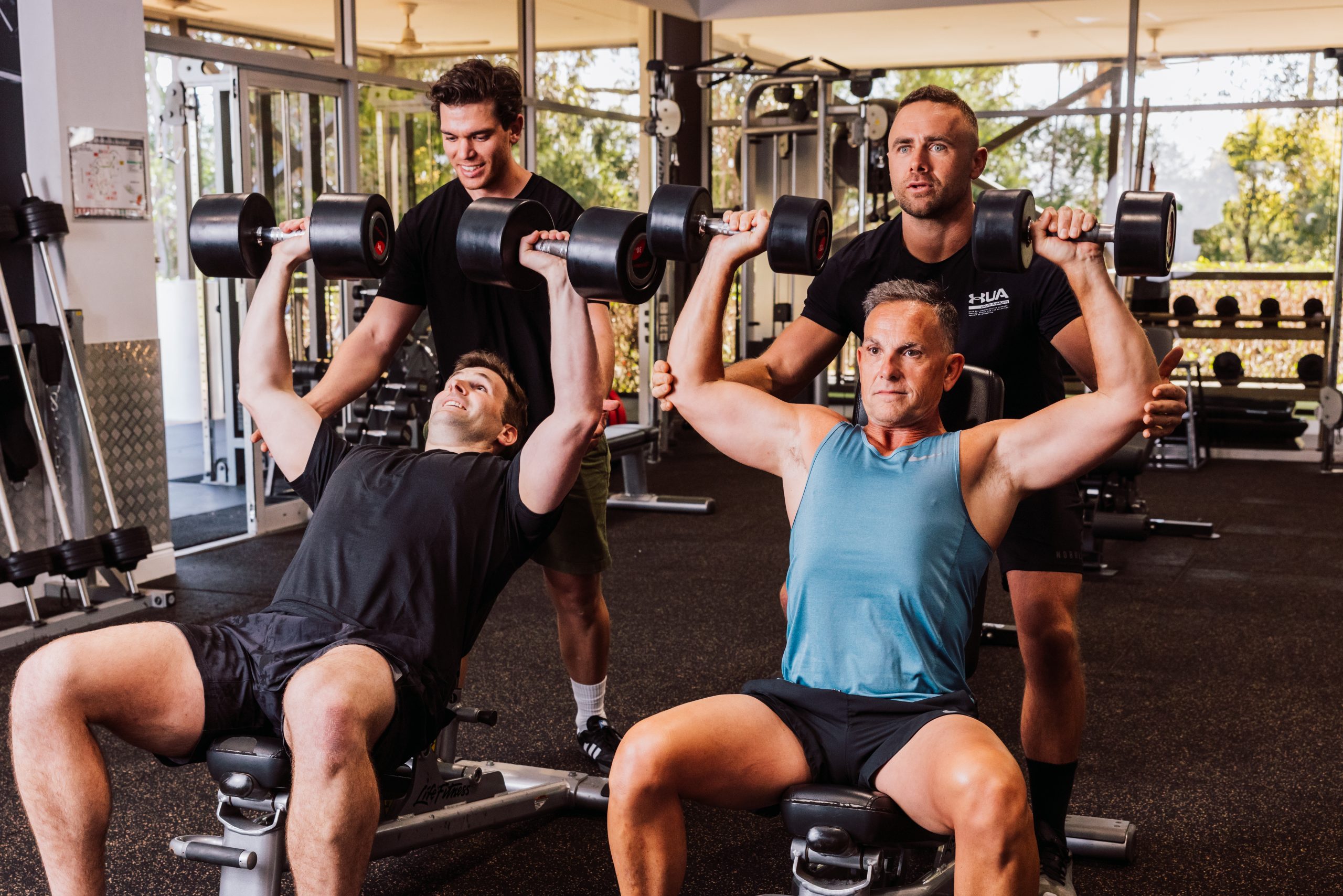
Sport places unique physical demands on the body. Strength, mobility, coordination, and load tolerance all influence how athletes move, train, and recover.
At Tidal Health, our physiotherapists provide sports-specific strength and conditioning programs informed by clinical assessment and an understanding of the physical requirements of different sports.
Whether you are returning from injury or aiming to develop greater physical capacity for sport, our team works with you to design individualised training programs that reflect your current ability, sporting demands, and training goals.
Programs may include targeted work on:
Strength and force production
Power and acceleration
Agility and movement control
Endurance and workload tolerance
By combining physiotherapy knowledge with structured strength and conditioning principles, our approach focuses on helping athletes build physical capacity, manage training load, and maintain participation in sport.
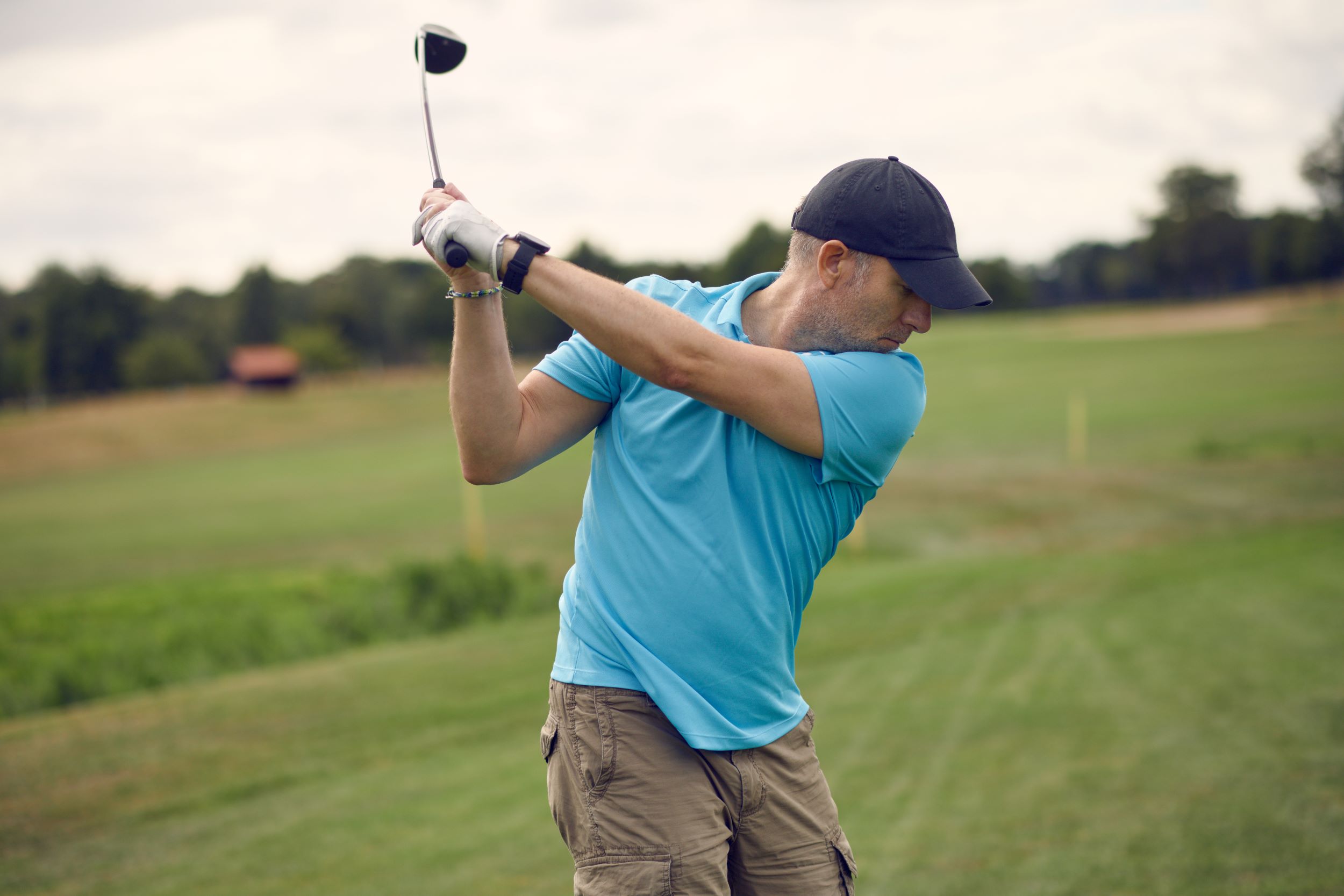
Golf places unique physical demands on the body, particularly through repeated rotational forces, load transfer through the spine and hips, and the coordination required for an efficient swing.
At Tidal Health, our team conducts golf-specific physical assessments to understand how mobility, strength, and movement patterns may influence your swing and overall physical capacity.
Based on this assessment, we develop individualised strength and conditioning programs designed to support golfers in building strength, improving movement efficiency, and increasing tolerance to the physical demands of the game.
Programs may address key areas including:
Hip and thoracic mobility
Core strength and rotational control
Lower body power and stability
Balance and movement coordination
Our aim is to help golfers train more effectively, manage physical load, and maintain participation in the sport they enjoy.
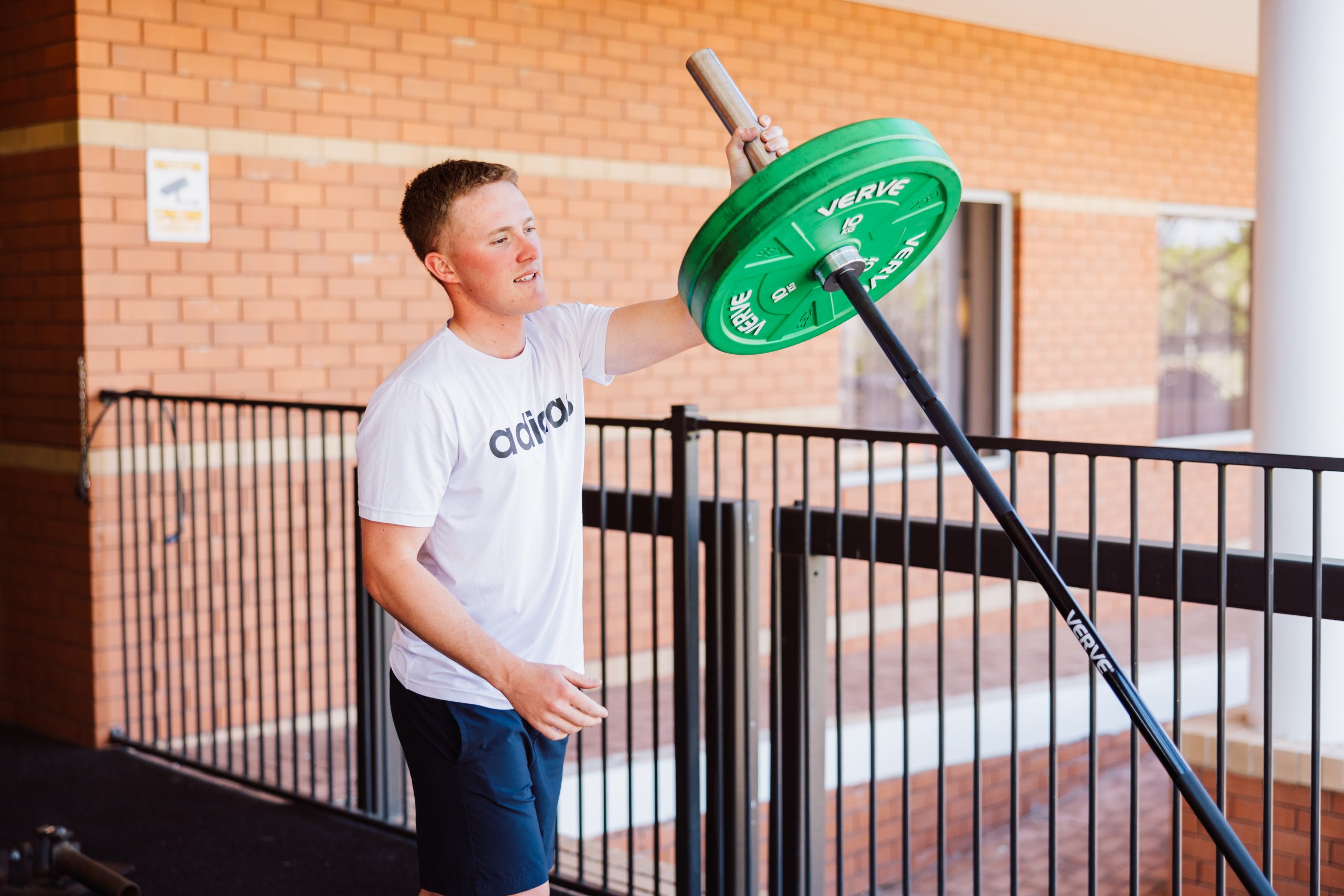
Our golf-focused strength and conditioning program is designed to support physical capacity, movement efficiency, and injury risk management for golfers.
Our assessment process may include:
Physical assessment
Evaluation of movement patterns and physical capacity, including posture, range of motion, muscle strength, core stability, and balance.
Swing analysis
Video-based review of swing mechanics to identify movement patterns and potential physical limitations that may influence performance or load on the body.
Golf-specific performance testing
Assessment of physical qualities relevant to golf, including rotational power, core stability, balance, and mobility.
Performance and behavioural factors
Discussion of training habits, focus during practice, motivation, and stress management strategies that may influence training and performance.
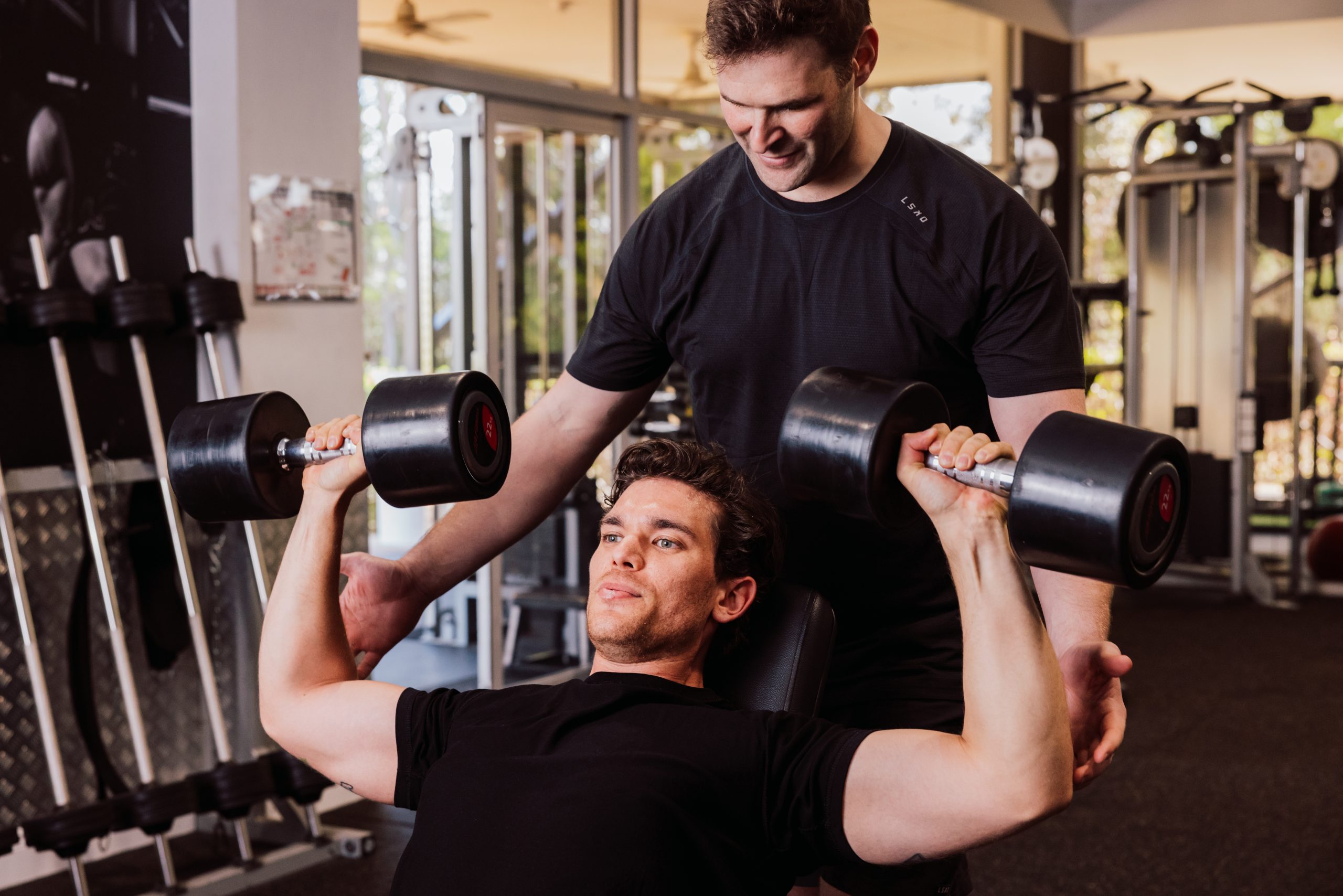
Our program development encompasses:
Goal setting: Set clear objectives aligned with assessment results and personal goals.
Periodisation: Develop a structured training plan adjusted to your competition schedule.
Strength training: Enhance core stability, power, and endurance with targeted exercises.
Flexibility and mobility: Set exercises to improve joint flexibility which is essential for your golf swing.
Power and speed: Boost rotational power and clubhead speed with specific drills.
Balance and stability: Enhance control and coordination throughout the swing.
Core training: Strengthen core muscles to prevent low back injuries.
Golf-specific conditioning: Improve endurance and recovery between shots.
Recovery strategies: Implement measures to optimise recovery and prevent overtraining.
Progressive overload: Gradually increase exercise intensity and complexity.
Monitoring and reassessment: Regularly evaluate progress and refine the program as needed.

 07 5613 1899